Search intent optimization is the practice of building or rewriting a page so its format, depth, and angle actually match the intent behind its target query — the execution step that follows identifying what that intent is. This article is part of the What Is Search Intent? guide and closes out the full search intent cluster.
How This Differs From What’s Already Covered
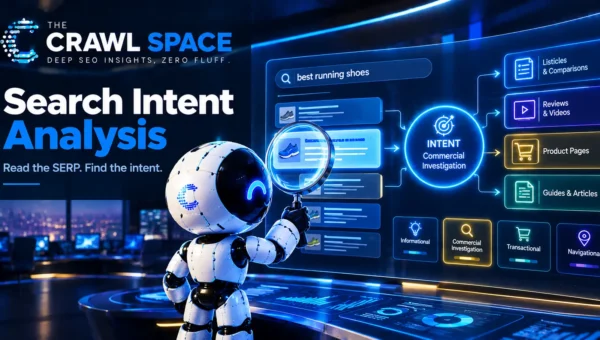
Three closely related articles can blur together without clear boundaries. How to Identify Search Intent covers diagnosing what a single query’s intent actually is. Search Intent Analysis covers auditing intent match across an entire keyword portfolio or content library at scale, and tracking drift over time. This article covers what happens once intent is known: the actual craft of building or rewriting a page so it genuinely satisfies that intent, not just technically targets the right category.
Three Things to Match, Not Just One
Matching content type alone — a guide for informational intent, a comparison for commercial intent — is the starting point, but real optimization goes further, matching three things at once:
- Format — is the dominant ranking format a guide, a listicle, a comparison table, a calculator, or something else?
- Depth — informational content that genuinely satisfies its intent tends to be thorough; transactional content tends to be concise and action-focused. Matching depth to intent means calibrating length to what the intent actually needs, not defaulting to “longer is better” regardless of intent.
- Angle — what’s the specific framing the dominant ranking content uses? “For beginners,” “budget options,” “enterprise teams,” and “buying guide for 2026” are all different angles on what might look like the same broad topic, and building the wrong angle can miss the mark even with the right format and depth.
Getting format right while missing depth or angle still produces a mismatched page — all three need to line up with what the current SERP has already shown works for that query.
When the SERP Is Genuinely Mixed: Split, Don’t Compromise
Sometimes a query’s results genuinely split between two different formats or angles rather than showing one dominant pattern. The instinct to build a single page that tries to serve both tends to serve neither well. When a mixed SERP reflects two genuinely distinct sub-intents, building separate, clearly targeted pages for each is usually the better path than one compromise page trying to satisfy both audiences at once.
Depth Is a Symptom of Matching Intent, Not a Ranking Factor on Its Own
Length gets treated too often as a lever to pull for better rankings, independent of what the query actually needs. That backwards ordering causes real damage: padding a page that should deliver a quick, direct answer actively works against an intent that wants concision, while a genuinely thin page fails an intent that expects real depth. The right amount of depth is whatever the dominant ranking content already demonstrates the query needs — a symptom of correctly matching intent, not a target to hit for its own sake.
Optimizing Downstream: Connecting Informational Content to Commercial and Transactional Pages
Optimization at the single-page level matters, but it’s worth thinking about intent across a connected set of pages too. An informational page satisfying an early-stage query is doing real work even if it never converts directly — but only if the commercial and transactional pages it can lead toward are themselves strong. As covered in Keyword Search Volume, a growing share of purely informational searches get answered directly by AI Overviews without ever producing a click. That makes the commercial and transactional pages downstream of an informational topic — where a click is still required to actually complete the goal — increasingly important to get right, since that’s often where a real visit and a real outcome still happens.
Re-Optimizing an Underperforming Page
A page that once matched its target intent doesn’t necessarily still match it, and rebuilding a page identified as mismatched is a distinct step from detecting that mismatch in the first place. Once Search Intent Analysis has flagged a page as drifted from its current dominant intent, optimization means rebuilding its format, depth, and angle to match what the SERP currently rewards — not just adding more content to an existing structure that no longer fits the query.
Common Mistakes
- Matching format alone and stopping there, missing that depth and angle also need to align with what’s actually ranking
- Defaulting to more length regardless of intent, padding pages that should be concise and under-serving pages that need real depth
- Building one compromise page for a genuinely mixed-intent SERP instead of separate, clearly targeted pages
- Optimizing an informational page in isolation without checking whether the commercial and transactional pages it could lead toward are actually strong enough to capture the outcome
- Adding content to a mismatched page’s existing structure rather than rebuilding it around what the current SERP actually rewards
Frequently Asked Questions
Does search intent optimization mean rewriting a page every time rankings drop?
Not automatically — a ranking drop can have other causes. It’s the right response specifically when intent analysis confirms the page’s format, depth, or angle no longer matches what currently dominates the SERP.
Is a longer page always a safer bet when optimizing for intent?
No. Length should match what the intent actually calls for — padding a page meant to deliver a quick answer works against that intent just as much as an under-developed page fails one that expects real depth.
How does search intent optimization relate to keyword optimization?
They work together but aren’t the same thing — keyword optimization ensures the right terms and topics are present; intent optimization ensures the content’s format, depth, and angle actually satisfy why someone searched those terms in the first place. A page can be keyword-optimized and still intent-mismatched.
The Bottom Line
Search intent optimization is the execution step that turns an identified intent into content that actually satisfies it — matching format, depth, and angle together rather than any one alone, splitting genuinely mixed-intent queries into separate pages instead of compromising, and connecting informational content to strong commercial and transactional pages downstream. Together with identifying intent and analyzing it across a portfolio, this completes the full picture this guide set out to cover: understanding what searchers actually want, diagnosing it accurately, checking it at scale, and building content that genuinely delivers on it.